Dragon Quest III: As Sementes da Salvação
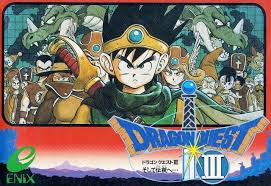
Dragon Quest III: As Sementes da Salvação
🔗 Código de Incorporação
Obtenha o código de incorporação para este jogo para exibi-lo em seu site
Controles
Controle de NES
Movimento
Mover personagem ou cursor do menu
Ações
Confirmar seleção / falar / examinar
Cancelar / voltar
Sistema
Abrir menu de comandos
Pausar o jogo
Usar Select quando solicitado
- Este é um RPG por turnos para um jogador.
- A maioria das ações é feita pelos menus após pressionar Start ou A.
Dragon Quest III: As Sementes da Salvação Introdução
Visão Geral
Dragon Quest III: As Sementes da Salvação, lançado em 10 de fevereiro de 1988 para o Famicom pela Enix e desenvolvido pela Chunsoft, é o terceiro título da série Dragon Quest, posteriormente lançado como Dragon Warrior III na América do Norte (1992). O Herói, filho de Ortega, forma um grupo para derrotar o arqui-inimigo Baramos em Alefgard e além (Wikipedia). Projetado por Yuji Horii com a arte de Akira Toriyama e a música de Koichi Sugiyama, introduziu sistemas de classes e personalização de grupo (GameFAQs). Aclamado por sua profundidade (Nintendo Power: 4.8/5), seu grind foi notado (IGN: 8/10).
Por Que Jogar Dragon Quest III?
Dragon Quest III expande a jogabilidade de RPG com personalização de grupo baseada em classes. Os jogadores criam uma equipe de até quatro personagens (por exemplo, Guerreiro, Mago) para explorar um vasto mundo aberto, masmorras e cidades, lutando contra monstros como Slimes e Lunáticos Corvos em combate por turnos (GameFAQs). Mudanças de classe no Templo de Dhama e upgrades de equipamentos (por exemplo, Braçadeira de Meteorito) oferecem profundidade estratégica (dragon-quest.org). A missão dura de 20 a 30 horas, com batalhas levando de 1 a 3 minutos. Seu charme de 8 bits e escopo épico atraem fãs de Dragon Quest II e Super Robot Taisen Compact 3, distinto das corridas de Need for Speed: Underground 2 ou do RPG esportivo de Captain Tsubasa V (@RetroGamingX).
Principais Recursos
- Liderar um grupo personalizável em uma aventura de 20-30 horas
- Combate por turnos com habilidades baseadas em classes (por exemplo, Firebal)
- Mudanças de classe no Templo de Dhama para flexibilidade estratégica
- Enfrentar Baramos e descobrir os segredos de Alefgard
- Visuais icônicos de 8 bits e trilha sonora de Koichi Sugiyama
- Jogabilidade autêntica de Famicom/NES em nossa plataforma retro ROM
Principais Diferenças: Famicom/NES vs. Outras Versões
- Famicom (1988)/NES (1992): Japão (Famicom), América do Norte (NES, como Dragon Warrior III), visuais de 8 bits (Wikipedia).
- Comparado a Dragon Quest II (1987, Famicom): DQIII adiciona sistema de classes, mundo maior; DQII tem grupo fixo (GameFAQs).
- Comparado a Super Robot Taisen Compact 3 (2003, WonderSwan Color): DQIII é RPG solo; Compact 3 é tático (Sega-16).
- Comparado a Need for Speed: Underground 2 (2004): RPG vs. corrida em mundo aberto (GameSpot).
- Comparado a Captain Tsubasa V (1994, SNES): RPG de fantasia vs. RPG de futebol (Wikipedia).
- Relançamentos: Game Boy Color (2000), iOS/Android (2014), Switch (2019) (dragon-quest.org).
Jogue Dragon Quest III Online
Jogue Dragon Quest III (1988, Famicom/NES) instantaneamente no Classic Joy Games com emuladores de NES. Também disponível em RetroGames.cz, EmulatorGames.net, OldGameShelf.com (4.7/5 de 60 votos), ou Nintendo Switch Online (2019). Cópias físicas custam entre $30-$80 (cartucho) ou $100-$250 (CIB) no eBay (PriceCharting). Use Nestopia ou RetroArch. Estratégia: recrute um Sábio no Dhama; faça grind perto de Rimuldar para Slimes Metálicos. Truque: digite “qwertyuiop” na entrada de nome para altas estatísticas (GameFAQs). Nota: Alguns emuladores podem apresentar falhas durante a animação de fogo de Baramos (vizzed.com).
Junte-se ao Classic Joy Games e vença Baramos agora!
Detalhes do Jogo
📖 Sobre Este Jogo
Dragon Quest III: As Sementes da Salvação, lançado em 10 de fevereiro de 1988 para o Famicom pela Enix e desenvolvido pela Chunsoft, é o terceiro título da série *Dragon Quest*, que foi posteriormente lançado como *Dragon Warrior III* na América do Norte (1992).
Jogos Relacionados